
What is a Resilient Home and How to Build One
Constructing strong homes that endure time and nature is crucial in modern building. Resilient homes are created to withstand harsh weather and provide exceptional durability and safety for homeowners.

How to Start a Museum: A Guide to Building a Lasting Cultural Landmark
Museums do more than display art or history — they offer spaces where people can connect with culture, science, and creativity.

Constructing Footings with Fox Blocks Foundations
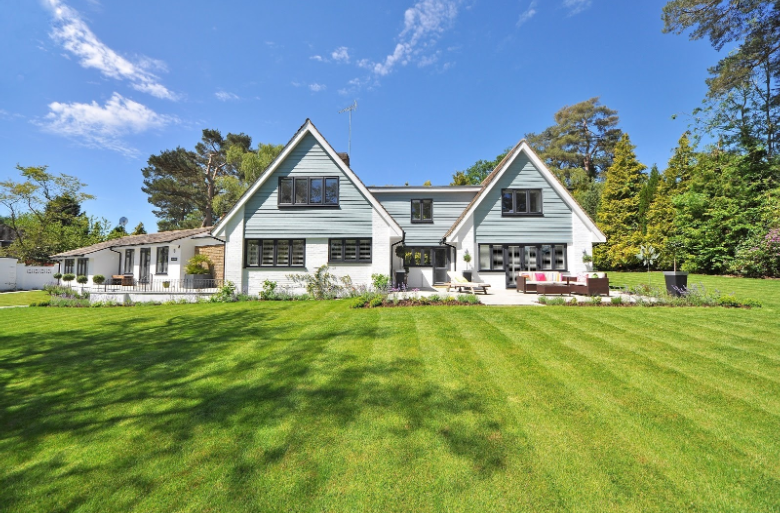
Why Fox Blocks is the Best ICF Manufacturer in Canada
Insulated Concrete Forms (ICFs) are essential for Canadian construction, known for their superior energy efficiency, structural durability, and ability to handle extreme weather.
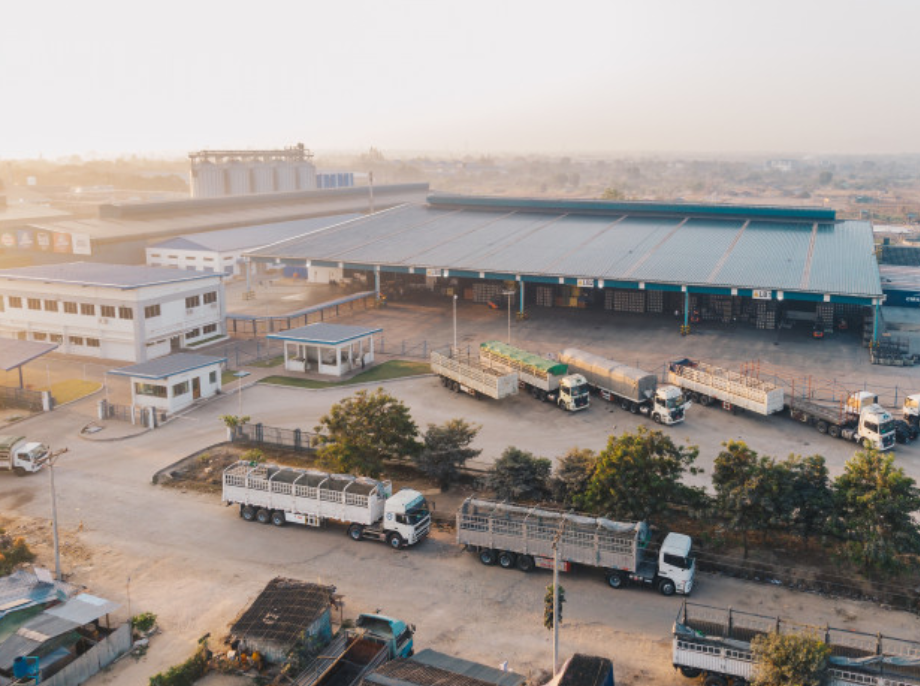
How Much Does It Cost to Build a 5,000 Sq Ft Warehouse?
Every warehouse begins with a number, the cost per square foot that sets expectations for design and delivery. The cost to build a 5000 sq ft warehouse isn’t fixed; it shifts with site conditions, material choices, and energy goals.

SANTA RITA RANCH ELEMENTARY SCHOOL
Discovery is one of the four schools to receive the zero energy certification, nationwide.

CMU Walls: Advantages, Disadvantages and A Better Option
Insulated concrete form blocks provide a host of advantages over traditional CMUs, including better energy efficiency, easier construction, and improved resilience.
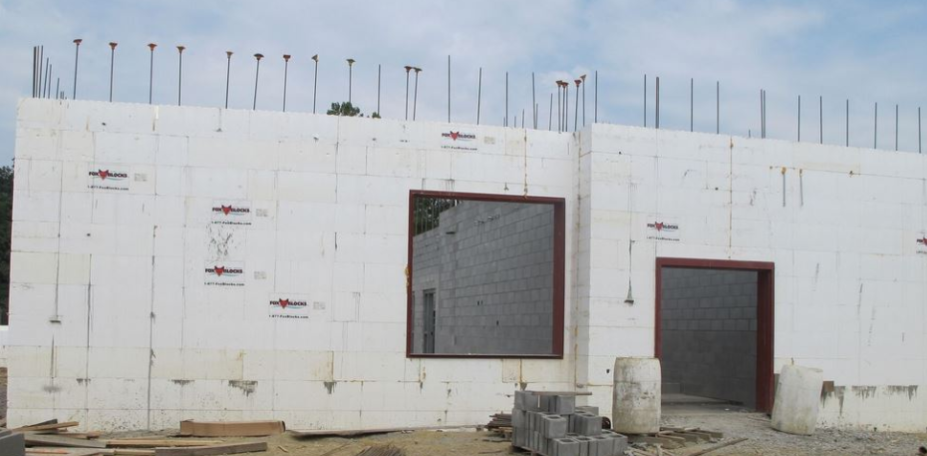
3 Examples of Flood Resistant Architecture
Flooding is relentless. It destroys homes, displaces families, and leaves businesses in ruins.

Modern Museum Architecture: Designing for Flow, Preservation, and Comfort
Museums shape how people interact with history, art, and knowledge — long before they step into the first exhibit. Layout and design choices influence not only the visitor journey but also long-term preservation, energy use, and operational function.

Embodied Carbon vs Operational Carbon: The ICF Advantage for Operational Carbon Buildings
The environmental impact of buildings is a key concern in modern construction, focusing on reducing carbon emissions. A clear understanding of embodied and operational carbon, along with their differences, is essential for sustainable construction strategies.